
Consumer Promotions
What are Consumer Promotions?
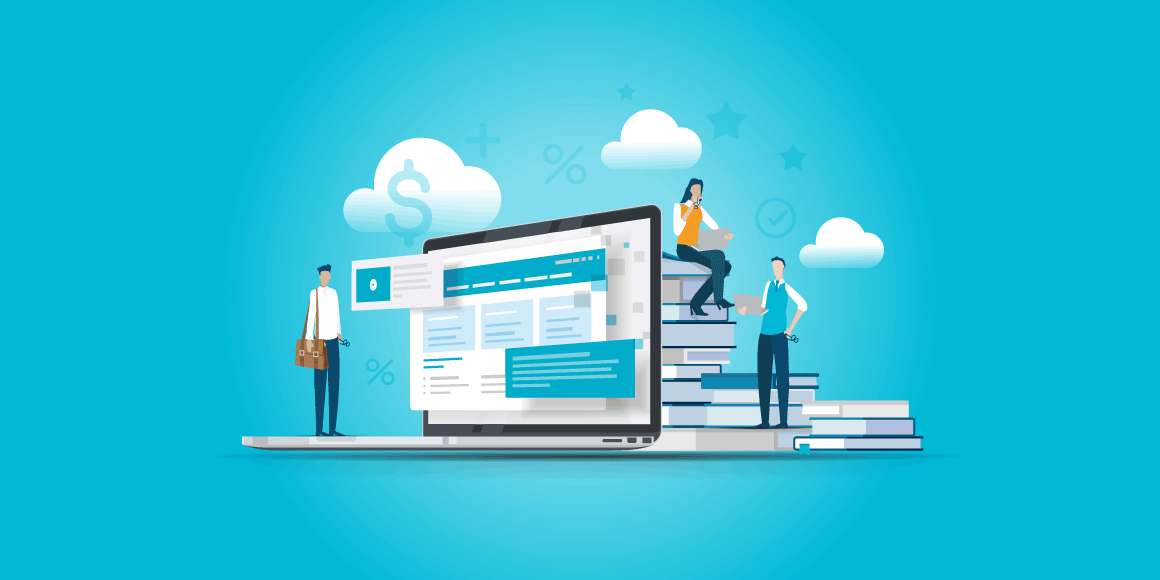
What Are Consumer Promotions?
Consumer promotions are marketing and incentive programs designed to influence consumer behavior by encouraging purchase, trial, repeat engagement, brand switching, basket growth, or other actions tied to a product, brand, or campaign. Consumer promotions can include rebates, cashback offers, gift with purchase promotions, discounts, limited-time offers, digital rewards, claims-based offers, and other promotional structures used to drive measurable demand.
Why Do Brands Use Consumer Promotions?
Consumer promotions give brands a controlled way to stimulate demand and guide action across different stages of the buying journey.
They can help organizations increase conversion, support product launches, encourage trial, move selected inventory, improve sell-through, influence basket size, and create urgency around specific campaigns or offers.
Strong consumer promotions can help brands:
- drive demand without relying only on permanent price reductions
- influence purchase timing, trial, switching, or repeat purchase
- support product launches and seasonal campaigns
- protect price integrity while still creating consumer value
- increase participation through compelling offer design
- improve campaign measurability
- connect promotional spend to business outcomes
Why Are Consumer Promotions Difficult to Manage?
Consumer promotions are harder to manage than they appear because offer rules, submission workflows, validation, fraud controls, and fulfillment each create failure points, and consumer-facing programs fail publicly in ways that damage brand trust. These challenges become more significant as promotions scale across products, regions, retailers, partners, channels, and offer types.
Common challenges include:
- Unclear offer rules — consumers may not understand what qualifies, when the offer applies, or what steps are required.
- Submission friction — complex forms, unclear instructions, or too many steps can reduce completion.
- Inconsistent validation — weak validation can create fraud risk, false rejections, duplicate claims, or fulfillment errors.
- Fulfillment delays — slow rebate, cashback, gift, or reward delivery can reduce trust and increase support volume.
- Fragmented execution — promotions may be managed across agencies, retailers, internal teams, fulfillment partners, and disconnected systems.
- Limited performance visibility — brands may struggle to connect participation, redemption, conversion, cost, and ROI.
- Regional complexity — legal, tax, documentation, payment, and consumer protection requirements can vary across markets.
- Poor partner or retailer coordination — promotional rules and consumer messaging may not be executed consistently across channels.
- Weak optimization loops — teams may not have enough insight to improve future offer design, targeting, or fulfillment.
Two examples show what addressing these challenges looks like in practice.
CooperVision illustrates the scale of this. Before moving to an automated platform, patients faced unclear claim entry, no upfront visibility into payment amounts, and slow fulfillment. After the change, decline rates fell from an average above 15% to single digits, and processing times dropped to under 30 days.
Apollo Vredestein moved from manual claim processing to a single centralized platform running cashback, rebate and gift-with-purchase offers across multiple countries and campaign durations, and recorded a 100% increase in user engagement.
What Does a Modern Consumer Promotions Program Look Like?
The modern approach to consumer promotions connects offer design, eligibility rules, consumer submission, validation, fraud controls, fulfillment, and reporting into one governed program, rather than managing each as a separate campaign execution.
The goal is to manage consumer promotions as measurable programs that connect consumer behavior, promotional spend, and business impact.
Organizations increasingly need a more structured operating model that connects offer design, eligibility rules, consumer submission, validation, fraud controls, fulfillment, reporting, and optimization.
How Consumer Promotions Work
Consumer promotions follow seven stages, from offer design and campaign launch through consumer action, submission, fraud review, fulfillment, and reporting.
| Stage | What Happens | Why It Matters |
|---|---|---|
| Strategy and Offer Design | Teams define the promotion goal, audience, offer type, value, qualifying behavior, timing, and rules. | Determines whether the promotion is aligned to the right business outcome. |
| Campaign Launch | The promotion is activated across retail, ecommerce, partner, digital, or campaign channels. | Ensures consumers understand the offer and how to participate. |
| Consumer Action | The consumer makes a purchase or completes a qualifying action. | This is where the promotion influences behavior. |
| Submission or Validation | The consumer submits proof, or the system captures and validates transaction data. | Reduces friction while confirming eligibility. |
| Fraud and Compliance Review | Claims, purchases, or submissions are checked against rules, controls, and regional requirements. | Protects promotional spend and reduces risk. |
| Fulfillment | The rebate, cashback, gift, reward, or promotional value is delivered. | Fulfillment quality affects consumer trust and brand perception. |
| Reporting and Optimization | Teams track participation, redemption, conversion, cost, fraud, fulfillment, and ROI. | Turns promotions into measurable programs that can be improved over time. |
Fisher & Paykel shows what strong execution looks like at the validation and reporting stages: claims auto-process as soon as an eligible invoice is added to the program portal, and reporting saved the CFO weeks of work.
What Are the Main Types of Consumer Promotions?
The right promotion type depends on when you want to create value — before purchase, at purchase, or after — and how much validation and data capture the program requires.
| Promotion Type | What It Means | Best Used For |
|---|---|---|
| Consumer Rebates | Money-back offers fulfilled after purchase and submission or validation. | Driving demand, supporting launches, protecting shelf price, and capturing purchase data. |
| Cashback Incentives | Simplified money-back offers, often with a lower-friction digital experience. | Increasing redemption, improving participation, and simplifying the post-purchase experience. |
| Gift with Purchase Promotions | Offers where consumers receive a free product, item, bundle, or reward after a qualifying purchase. | Increasing conversion, basket size, perceived value, and product attachment. |
| Discounts | Immediate price reductions applied at purchase. | Driving fast purchase acceleration or short-term volume. |
| Claims-Based Offers | Promotions requiring a consumer to submit information or documentation to receive value. | Validating eligibility, controlling spend, and collecting campaign data. |
| Digital Rewards | Digital incentives, rewards, or stored-value offers delivered after qualification. | Supporting fast fulfillment and improving the consumer experience. |
| Limited-Time Offers | Time-bound promotions designed to create urgency. | Increasing short-term action, campaign response, or seasonal demand. |
These mechanics are frequently combined rather than chosen between. Apollo Vredestein ran cashback and rebate offers alongside gift-with-purchase promotions across multiple countries on a single platform.
How Do Rebates, Cashback, Gift with Purchase and Discounts Differ?
Consumer promotions is the broader category. Rebates, cashback incentives, gift with purchase offers, and discounts are specific promotional mechanisms.
| Dimension | Consumer Promotions | Consumer Rebates | Cashback Incentives | Gift with Purchase | Discounts |
|---|---|---|---|---|---|
| Timing | Varies by offer type | After purchase | After purchase | At or after qualifying purchase | At purchase |
| Consumer Effort | Varies | Medium | Low to medium | Low to medium | Low |
| Price Impact | Varies | Shelf price usually stays intact | Shelf price usually stays intact | Shelf price usually stays intact | Price is reduced immediately |
| Data Capture | Medium to high | High | Medium to high | Medium | Low |
| Operational Complexity | Medium to high | High | Medium to high | Medium to high | Lower |
The right structure depends on the objective, the consumer experience, and the tradeoff between immediacy and control — high data capture and margin protection favor rebates or claims-based offers; fast conversion favors discounts or cashback.
What Are Consumer Promotions Called in Different Markets?
The same mechanics go by different names depending on where you operate, and using the wrong term can make an offer harder to find and harder to understand.
Cashback is the standard term across the UK, Europe and Australia for consumer-facing money-back offers. In North America, the same mechanic is more often called a consumer rebate. In European markets, "rebate" more commonly refers to B2B or tax contexts, so consumer-facing communications generally use cashback.
Redemption-based and claim-based promotion are widely used in the UK and Europe to describe offers requiring the consumer to submit proof before receiving value. North American programs more often describe these simply as rebates.
Trade-in promotions, where a consumer exchanges an existing product against a new purchase, are a distinct and commonly used mechanic in European markets.
For brands running promotions across regions, internal program naming can stay consistent while consumer-facing language follows local convention. The mechanic does not change; the words do.
What Are the Key Consumer Promotion Terms?
Offer Design
The structure of the promotion, including the value, timing, rules, qualifying action, and intended business outcome.
Eligibility Rules
The conditions that determine whether a consumer qualifies for the promotion.
Qualifying Purchase
The purchase action, product, transaction, basket value, or timing required to participate.
Claim Submission
The process used when a consumer must submit information, proof of purchase, or documentation to receive promotional value.
Redemption Rate
The percentage of eligible consumers or purchases that complete the promotion.
Breakage
The portion of available promotional value that is never claimed, redeemed, or fulfilled.
Fraud Prevention
The controls used to detect duplicate, invalid, suspicious, or abusive claims.
Promotional Lift
The increase in sales, conversion, basket size, trial, or engagement attributed to the promotion.
ROI
The measure of promotional return based on costs, participation, conversion, sales impact, and business outcomes.
How Do Consumer Promotions Differ by Industry?
Consumer Electronics
Consumer electronics brands use rebates, cashback, and gift with purchase promotions to support product launches and upgrade cycles, increasing high-intent conversion while preserving premium price positioning.
Appliances and Consumer Durables
Appliance and durable goods brands use promotions to generate seasonal demand, activate showrooms, and drive bundle attachment, improving sell-through while maintaining control over timing, promotional value, and measurement.
Automotive Aftermarket
Automotive aftermarket brands use rebate, cashback, and claims-based promotions to encourage brand switching, activate installers and retailers, and connect promotional value to verified purchase activity in competitive categories.
Retail and Ecommerce
Retail and ecommerce brands use consumer promotions to support omnichannel campaigns, drive in-store and digital traffic, and improve conversion, where execution quality matters most because fulfillment delays and unclear rules affect consumer satisfaction directly.
Health, Wellness, and Personal Care
Consumer promotions may support trial, sampling, bundled value, bonus offers, and repeat purchase. Gift with purchase and cashback offers can be especially useful when brands want to increase perceived value without relying only on price reduction.
How Does a Consumer Promotions Platform Work?
Modern consumer promotion platforms help organizations manage the full lifecycle of promotional programs more consistently.
Common capabilities include:
- offer setup and program configuration
- eligibility and qualification rules
- consumer submission workflows
- proof-of-purchase capture
- claim validation
- fraud prevention
- rebate, cashback, reward, or gift fulfillment
- regional compliance support
- payment and fulfillment tracking
- campaign reporting and analytics
- program optimization
For organizations managing multiple products, campaigns, regions, retailers, and offer types, this creates stronger control over promotional spend while improving the consumer experience. The value is not only in launching promotions. The value is in making promotions easier to execute, easier to validate, easier to fulfill, and easier to measure.
What Should You Check Before Launching a Consumer Promotion?
Before launching or optimizing a consumer promotion, teams should confirm:
- What behavior the promotion is designed to influence
- Whether the offer is meant to drive conversion, launch support, basket growth, trial, switching, or repeat purchase
- Which products, regions, channels, or consumers qualify
- Which offer type is best suited to the objective
- Whether the offer rules are clear and easy to understand
- How consumers will submit, qualify, or receive promotional value
- What proof of purchase or transaction data is required
- How claims, validation, fraud controls, and exceptions will be handled
- How fulfillment will be managed and communicated
- Which regional legal, tax, compliance, or payment requirements apply
- How promotion performance will be measured
- How results will inform future promotional strategy.
Related Concepts
- Consumer Rebates
- Cashback Incentives
- Gift with Purchase Promotions
- Claim Validation
- Proof of Purchase
- Promotional Fulfillment
- Consumer Incentives
- Incentive Automation
- Loyalty & Rewards Programs
- Channel Incentives Management
- Incentive Program Management
- Partner Experience
- Ecosystem Orchestration
Reviewed by Zoe Kelly on September 15th, 2026
Change the Way Your Partners Engage with You
eBook
Opportunities to Optimize Partner Engagement
Discover the new approaches to partner engagement in this Insights Paper.
Frequently Asked Questions
Consumer promotions are marketing and incentive programs designed to influence consumer behavior by encouraging purchase, trial, repeat engagement, brand switching, basket growth, or another action tied to a product, brand, or campaign.
Examples include consumer rebates, cashback offers, gift with purchase promotions, discounts, limited-time offers, digital rewards, claims-based offers, and other promotional incentives.
Consumer rebates are one type of consumer promotion. A rebate provides money back after purchase, usually after the consumer submits proof of purchase or completes a required claim process.
Cashback incentives are similar to rebates because they provide money back after purchase. The difference is that cashback programs are often designed with a simpler, faster, more digital redemption experience.
A gift with purchase promotion gives consumers a free product, bonus item, bundle, or reward after they make a qualifying purchase or meet a defined purchase condition.
Companies use consumer promotions to drive demand, increase conversion, support launches, encourage trial, influence brand switching, raise basket size, improve sell-through, and measure campaign performance.
Consumer promotions are difficult to manage because offer rules, eligibility, submission workflows, fraud controls, fulfillment, and regional compliance requirements each add operational complexity — and errors in any one of them are visible to consumers.
Consumer promotions often underperform when the offer is unclear, the submission process is too complex, validation is inconsistent, fulfillment is delayed, or performance measurement is limited.
Companies can improve performance by designing clear offers, reducing submission friction, validating claims accurately, delivering rewards quickly, tracking performance, and using program data to optimize future promotions.
Good consumer promotion management starts with a clear offer — defined behavior, simple participation, and honest value communication. It then requires accurate validation, fraud controls, reliable fulfillment, and the reporting to measure and improve each program over time.
Need More Information? Check Out the Resources Below!
Whether you're looking for industry-specific incentive strategies or want to increase your knowledge, our curated list of resources are designed to answer your most pressing questions.

The Evolving Aftermarket Industry: Fine Tuning Consumer Promotions & Dealer Incentives
.png?width=768&height=512&length=768&name=360%20-%20Blog%20How%20Distributors%20Can%20Grow%20Sales%20With%20Promotions%20Blog-Main-Feature-Image-(1160-580px).png)
How Distributors Can Grow Sales With Promotions
